Spring Cleaning Your Windows and Screens
March 9, 2026
Sliding Glass Doors That Stick, Jam, or Won’t Lock: Causes and Fixes
March 24, 2026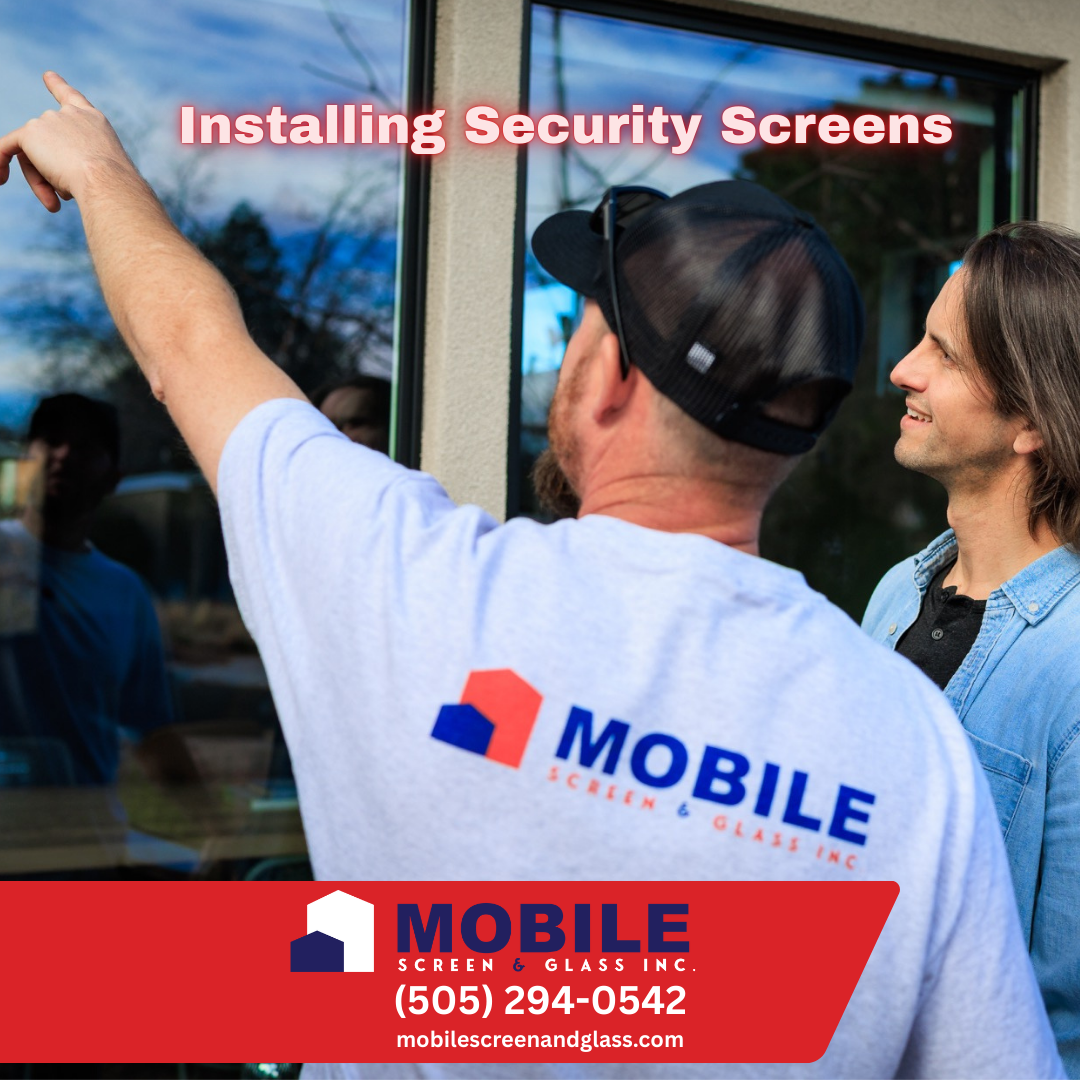
Security Screens: What They Are and Why Albuquerque Homeowners Are Installing Them
Albuquerque homeowners are paying more attention to entry points than ever before. Doors and windows are the most common access points in residential break-ins, and traditional screen doors offer zero resistance. Security screens are a growing category in home protection because they address the problem without changing how your home looks or feels from the inside.
- Security screens use woven stainless steel mesh that resists cutting, prying, and forced entry
- They maintain airflow, natural light, and visibility while adding a physical barrier to doors and windows
- Professional installation ensures a custom fit that meets both security and aesthetic standards
How Security Screens Work
A security screen looks like a standard screen door or window screen from the street. The difference is in the material and the frame. The mesh is woven from marine-grade stainless steel, which means it resists corrosion in our dry climate while holding up against impact and cutting tools. The frame is typically extruded aluminum, anchored with tamper-resistant fasteners that connect directly to the door or window structure. Unlike a decorative screen, a security screen is engineered to absorb force and stay intact. The mesh does not separate from the frame under pressure the way fiberglass or aluminum screening does. That is the key distinction. A standard screen keeps insects out. A security screen keeps people out.
What They Protect Against
The most common residential break-in method in Albuquerque is forced entry through a door or window. Security screens create a physical barrier that adds time and resistance to that process. Most opportunistic break-ins rely on speed, and a screen that does not give way changes the math for an intruder. Beyond forced entry, security screens block a significant percentage of UV radiation, which protects interior furnishings and flooring from sun damage. They also reduce visibility from the outside during daytime, giving homeowners more privacy without closing blinds or curtains. In a climate like ours, where open windows and fresh air are part of daily life for most of the year, that combination of security and comfort matters.
What to Expect from Installation
Security screens are not off-the-shelf products. Each one is measured and custom fabricated to fit the specific door or window frame. A technician visits the home, takes precise measurements, and discusses placement, color, and hardware options. The screen is then fabricated and installed in a follow-up visit. The full process typically takes one to two weeks from measurement to installation, depending on the number of screens being ordered. There is no structural modification to the home required. The screens mount to existing frames using heavy-duty fasteners, and removal (for cleaning or replacement) is straightforward. Homeowners should expect the installed product to look clean, flush, and indistinguishable from a regular screen at a glance.
Cost and Long-Term Value
Security screens cost more than standard screen doors, but the comparison is not apples to apples. A standard screen door will need replacement every few years due to tears, sagging, and frame corrosion. A quality security screen lasts significantly longer with minimal maintenance, often a decade or more. When compared against the cost of a break-in (damaged doors, broken glass, stolen property, insurance deductibles, and lost peace of mind), the investment looks different. Many homeowners also find that security screens reduce their reliance on other security measures, simplifying their overall setup while improving it.
Security screens are one of the most practical upgrades an Albuquerque homeowner can make for both protection and everyday comfort. If your doors and windows are unprotected, a free consultation is the place to start.